


Enable teams to build trust, strengthen collaboration, and navigate complex team dynamics more effectively.
Step 1. The Team Effectiveness Gap
Most organizations struggle with teams working in isolation, missing opportunities for collaboration and innovation:
- Unclear goals and accountability – Misaligned priorities lead to duplicated efforts and missed targets
- Communication breakdowns – Poor information flow creates friction, delays, and costly mistakes
- Low psychological safety – Team members hold back ideas and concerns, stifling creativity and problem-solving
- Unresolved conflicts – Interpersonal tensions drain energy and derail productivity
- Resistance to change – Teams struggle to adapt when markets shift or strategies evolve
Step 2. Our Approach
Meeraq's Systemic Team Coaching involves holding the team’s and organization’s goal as the topmost agenda while gradually integrating individual goals:
- Structured Collaboration – We facilitate guided sessions that break down silos and build genuine team alignment around shared goals
- Stakeholder Alignment – Beyond the team, we consider external stakeholders impacting performance, helping uncover the root causes behind team behaviors
- Real-Time Problem Solving – We focus on your team’s actual challenges, enabling solutions while building coaching capability in the moment
- Sustainable Behavior Change – We embed new ways of working into your team’s DNA, ensuring lasting impact beyond coaching sessions
- Customized to Your Context – Every engagement is tailored to your team’s unique challenges, culture, and business objectives
Step 3. Key Features
Our expert Systemic Team coaches actively work with teams to build deeper group awareness and drive stakeholder-focused actions. They create a learning environment that helps teams connect more effectively within themselves and with external stakeholders, while staying aligned to a larger purpose.
The Systemic Team Coaching process involves:
- A detailed study of the individual, team, organization, and key stakeholders
- Group coaching sessions
- One-to-one coaching sessions with individuals
- A workshop to align team vision and build a detailed action plan
- Measurable and sustainable outcomes
- Final assessment and a long-term sustainability plan
Step 4. Impact to Measure
Meeraq's Systematic Team Coaching doesn’t just improve how people work together; it transforms what they can achieve together. From customer satisfaction to bottom-line results, when teams function at their best, the ripple effects extend across the entire organization.
- Teams become more productive through a holistic approach, with a deeper understanding of self, team dynamics, organizational context, and stakeholder impact
Frequently Asked Questions
What is the main difference between Team Coaching and Group Coaching?
In group coaching, participants do not typically work together daily. Instead, they are brought together because they share similar development objectives. The focus is on individual learning supported by discussion, reflection, and peer feedback.
When Should Organizations Use Team Coaching?
Organisations often turn to team coaching during periods of strategic change, when new teams are forming, or when cross-functional teams need to work together more effectively.
It can also be useful when teams experience challenges related to communication, decision-making, or role clarity.
How do you measure success in team coaching?
Still Have Questions? Let’s Talk Today!
Proven Strategies, Proven Results
See how our proven strategies have helped businesses overcome challenges, capture opportunities, and achieve lasting impact.
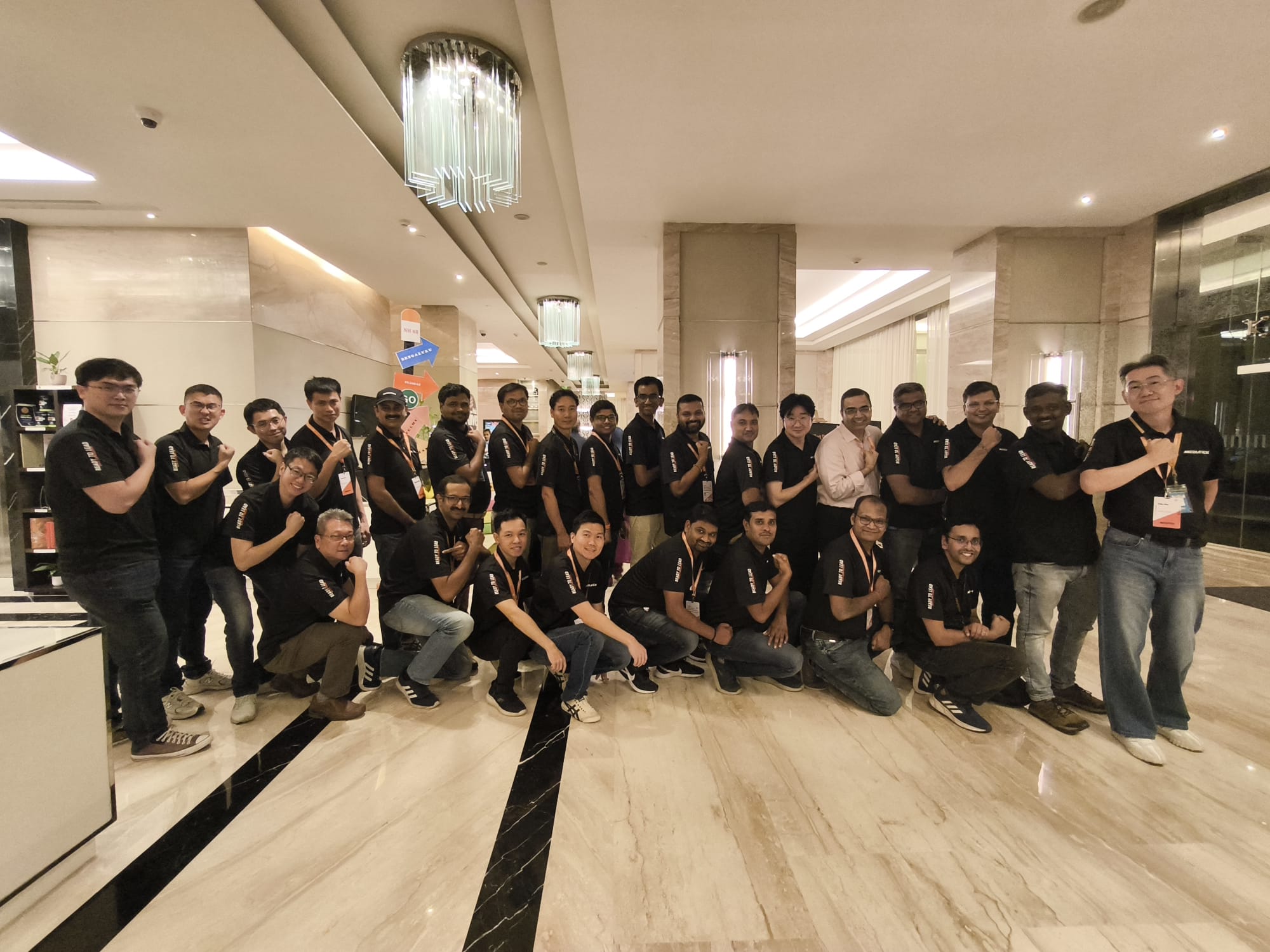
Senior leadership offsite team building on working as one Cohesive Team!